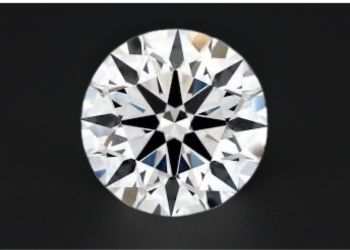
Absolutely perfect and timeless aesthetics, the round brilliant cut remains the sure value. Calibrated in 1919 by Marcel Tolkowsky to give it maximum brilliance and shine, the stone has 57 facets. This shape has remained the most sought-after since then because it is the most brilliant. The certificates of the GIA, HRD and IGI laboratories (the three most reputable) note all its size parameters. Ratings range from Fair (Poor) to Excellent. We recommend diamonds with either Very Good or Excellent cut ratings.
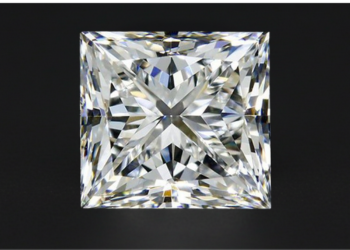
The princess is particularly adapted to architectural jewelry with clean lines. It is a square or rectangular cut, with generally 76 facets that ensure a strong sparkle. A princess cut is smaller and less expensive than a round brilliant of equal weight. The width of the table requires good purity. For princess sizes, we therefore recommend that you prefer IF-VVS-VS purities and avoid SI1-SI2 and Piqué.
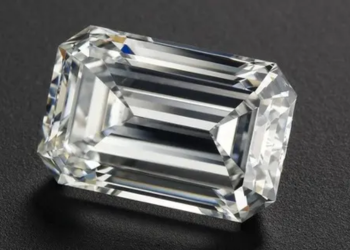
Originally, it was reserved for emerald stones, from which it takes its name. The Emerald cut gives a translucent light, unique of its kind. It is a distinguished cut, sober but very "class". Requires diamonds of good purity: the table is important and the slightest defect becomes visible. This is why the emerald diamond must be pure or VVS-VS. At worst SI1, but then the inclusions must be on the side.
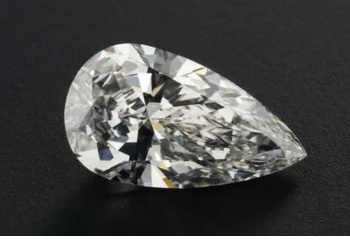
A 58-faceted drop of water, often worn as a pendant, which holds as much of the round waist as the marquise with its rounded and pointed edges. The pear shape is by far the most difficult to choose because it is rarely well cut. It is indeed very difficult to find the right compromise between its length and width. But a beautiful pear shaped diamond is a marvel of nature and human work.
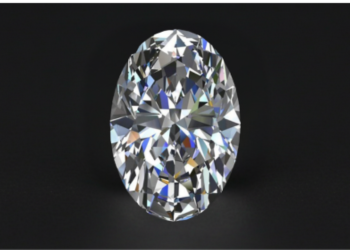
The 56 facets of the oval waist give a resolutely modern shape that unites the classicism of the round brilliant and the elegant femininity of the more elongated shapes such as the marquise and the pear. Often set as a center diamond on solitaires or rings, the oval shaped diamond can also be set as a surrounding stone. There are also very beautiful oval diamond wedding rings.
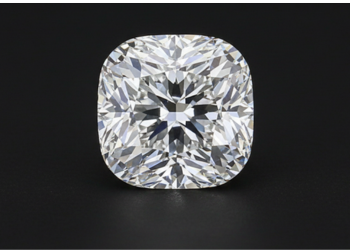
The cushion diamond is a very trendy shape nowadays because jewelry brands have used it a lot in their creations in recent years. Very elegant and very brilliant, it is a good alternative to round diamonds, even if its brilliance remains nevertheless inferior to that of the round brilliant diamond. The ideal is to set it on a ring with round brilliant diamonds around it to enhance its brilliance.
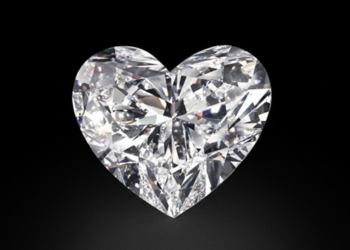
Heart-shaped diamonds are timeless symbols of love, valued for their romantic appeal and unique shape. Their complex cut requires expert craftsmanship to achieve perfect symmetry and brilliance. Rare and sentimental, they are an ideal choice for classic romantics seeking a distinctive and meaningful gem.
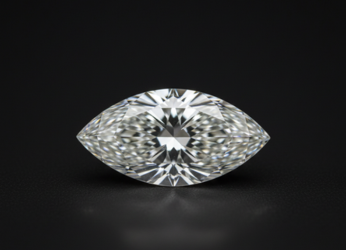
Marquise Shape Diamond are timeless symbols of love, valued for their romantic appeal and unique shape. Their complex cut requires expert craftsmanship to achieve perfect symmetry and brilliance. Rare and sentimental, they are an ideal choice for classic romantics seeking a distinctive and meaningful gem.
Buying a diamond starts by understanding the unique characteristics of each stone. After all, no two diamonds are the same. To help you make sense of shopping for these timeless gems, diamonds are graded based off the 4Cs - cut, color, clarity, and carat weight. The 4Cs of diamonds impact a stone’s beauty and value. Keep reading to learn more about each of the diamond 4Cs, what these elements mean for diamond appearance and price, plus tips for finding the perfect diamond.
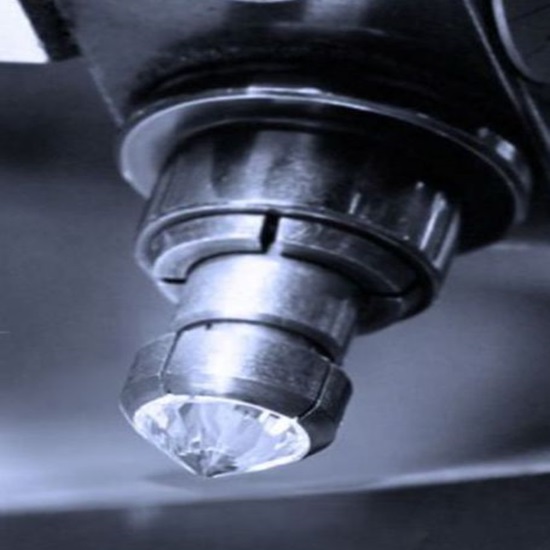
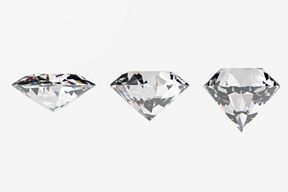
Cut measures how well-proportioned a diamond’s dimensions are, including its balance and brilliance. This influences how well a diamond interacts with light, impacting its brilliance, fire and scintillation. A well-cut diamond will look its very best with optimal light performance. Diamond cut is considered the most important of the four Cs. No matter which diamond jewelry style you choose, you’ll always want to prioritize cut.
Clarity assesses small imperfections within a diamond. Inclusions can occur naturally during the diamond forming process for both natural and lab diamonds. Clarity is used to quantify and specify any inclusions. When it comes to the four Cs of diamonds, clarity is typically not the most important, as many blemishes are too small to be seen without magnification. But some larger blemishes can be visible. Review a diamond’s clarity plot to see its inclusions.
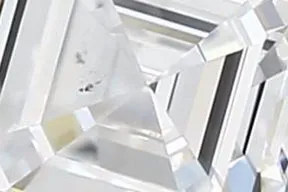
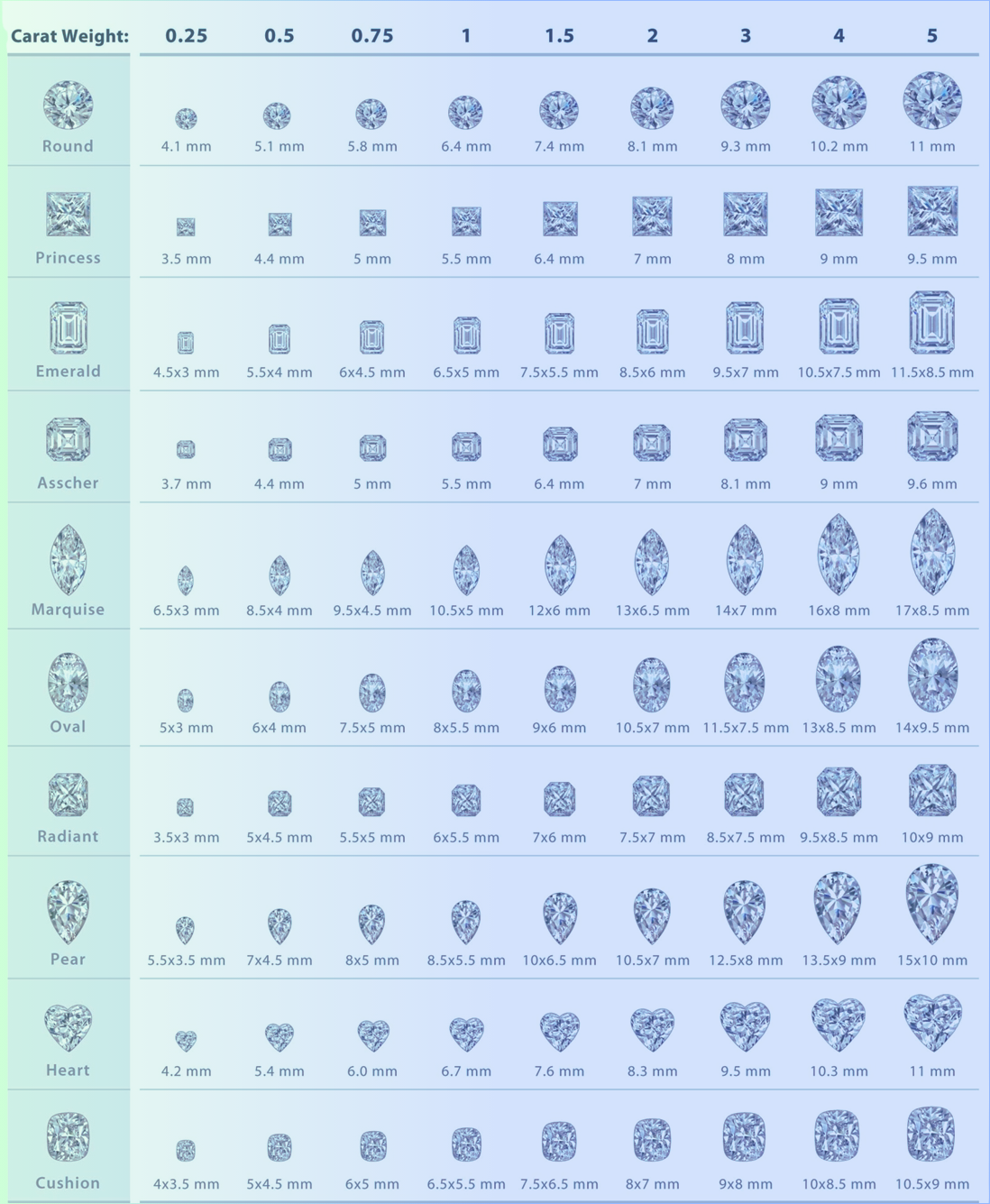
Carat measures a diamond’s weight, not its size. This 4C of diamonds dates back to the 1500s when carob seeds were used to measure diamonds and gemstones. Today, carat refers to an exact weight of 200 milligrams. Carat weight choice is a matter of preference, one weight is not necessarily better than another. Typically, heavier high-quality diamonds are rarer than ones with lower carat weights and diamond prices can reflect this.
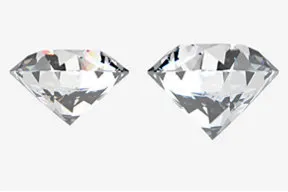
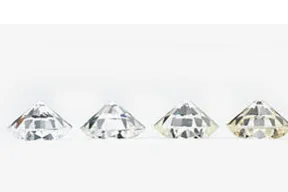
Diamond color refers to how colorless a diamond is. Color is the second most important of the 4Cs of diamonds. Colorlessness is a desirable feature in most diamonds and the more colorless diamonds are rarer. The less color a diamond has, the higher the diamond color grade. Certain jewelry metals can complement faint color diamonds, so diamond color is a flexible 4C that can vary depending on preferences and jewelry settings.